
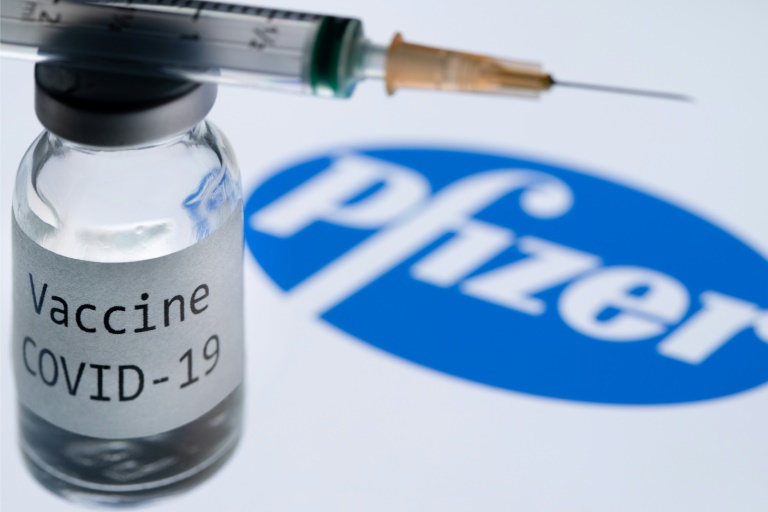
In the high-stakes world of Big Pharma, forward guidance is more than just numbers—it’s a statement of confidence, a blueprint for the future, and a key driver of investor sentiment. For Pfizer, a company that rode the pandemic wave to historic heights, its recent 2026 financial forecast has proven to be a potent depressant for its stock price, sending shares tumbling and casting a long shadow over its post-COVID transformation narrative.
The decline tells the story: Pfizer’s stock has faced significant pressure since it unveiled a 2026 revenue outlook that fell notably short of Wall Street’s expectations. The company projected approximately $60 billion in sales for 2026, a figure that analysts had hoped would be several billion dollars higher. This “tepid” outlook, juxtaposed with the record-breaking $100 billion revenue peak in 2022, has forced a brutal market reassessment of Pfizer’s near-term growth trajectory.
The Post-Pandemic Pendulum Swings
Pfizer’s current challenge is a classic case of pandemic whiplash. The spectacular success of its COVID-19 vaccine (Comirnaty) and antiviral treatment (Paxlovid) created an unprecedented revenue surge. However, as the global health emergency has receded, sales for these products have normalized at a much faster and steeper rate than many anticipated. The 2026 outlook implicitly acknowledges that this decline won’t be fully offset overnight, creating a financial “valley” between the pandemic peak and the promised land of new growth drivers.
Behind the Cautious Forecast: A Multifaceted Challenge
Several factors are feeding into the company’s restrained projection:
- The COVID Cliff: The most immediate headwind. Management has signaled that COVID-related revenues are transitioning to a more predictable, but significantly lower, endemic level. The market is still calibrating what that steady state truly is.
- Patent Expiries Loom: The company faces a “patent cliff” for several key non-COVID blockbusters in the coming years, including the cancer drug Ibrance and the pneumococcal vaccine Prevnar 13. These losses will erode a portion of the established revenue base.
- Pipeline Pressure: Pfizer’s future hinges on the successful commercialization of its recent acquisitions and its internal pipeline. Key products like the acquired migraine drug Nurtec ODT and the RSV vaccine Abrysyo are performing well, and the promising cancer drug acquisition of Seagen is central to the 2026 plan. However, the guidance suggests the ramp-up of these new assets may be more gradual or competitive than hoped, or that near-term pipeline catalysts are insufficient to bridge the gap immediately.
- Cost Integration: The massive $43 billion Seagen acquisition brings promising oncology assets but also significant costs. Investors are wary of the short-term earnings drag and execution risk as Pfizer integrates the company.
Market Reaction: A Crisis of Confidence
The stock’s negative reaction is less about the absolute numbers for 2026 and more about what they symbolize. For investors, the forecast raises red flags:
- Growth Narrative in Question: Can Pfizer truly return to sustainable growth after the COVID windfall, or will it remain a company in transition?
- Execution Risk: The outlook places immense pressure on Pfizer’s commercial teams to flawlessly launch new products and extract value from Seagen.
- Valuation Reset: Shares that were once priced for a perpetually elevated earnings base are being repriced for a more challenging, competitive, and “normal” pharmaceutical environment.
The Path Forward: Patience and Pipeline
Pfizer’s leadership maintains that 2024 and 2025 are transitional years, with 2026 marking the beginning of a return to solid, non-COVID growth. They point to one of the newest and most diverse pipelines in the industry, bolstered by Seagen’s targeted oncology therapies.
The critical question for investors is one of timing and trust. Is this tepid outlook a prudent, conservative reset that sets the stage for future beats, or a sign of deeper commercial challenges?
Conclusion
Pfizer’s 2026 guidance has acted as a cold splash of reality. It has dented the shares by fundamentally shifting the timeline for the company’s recovery story. The market is now demanding proof that Pfizer can navigate the descent from the pandemic peak and successfully climb the next, slower-growth mountain using its R&D engine and business development heft. The coming quarters will be a critical test, as every new drug launch, every pipeline readout, and every earnings report will be scrutinized for evidence that the 2026 target is a floor—not a ceiling. For now, Pfizer’s prescription involves a bitter pill of lowered expectations, with the hope that the long-term treatment plan will ultimately restore its financial health.
About The Author
